10 Common Skin Problems in Delhi and How to Overcome Them?January 28, 2026
Dr. Jasdeep Kaur, the best skin doctor in Delhi and Gurgaon. At Skin Aura Brain, she explains that skin problems are one of the most common health concerns. It is affecting people of all ages across the world. From small issues like dryness and acne to chronic conditions like eczema and psoriasis, skin problems can impact physical appearance and confidence, comfort, and overall quality of life.
The skin is the body’s largest organ and is a protective barrier against infections, pollution, harmful UV rays, and environmental damage. When this barrier is damaged, many skin issues can grow. Knowing what skin problems are, why they occur, and how they can be prevented is the first step toward healthy skin.
Understanding Skin Problems From the Lens of a Skin Doctor:
Skin problems refer to any issue that impacts the texture, color, appearance, or function of the skin. These problems may appear as rashes, pimples, discoloration, itching, inflammation and scaling. Skin problems can be temporary or long-term, mild or severe, and may occur because of internal health issues or external environmental factors.
Some skin problems get fixed on their own, however others need medical attention from a dermatologist or skin doctor for proper treatment.
Why Are Skin Problems So Common?
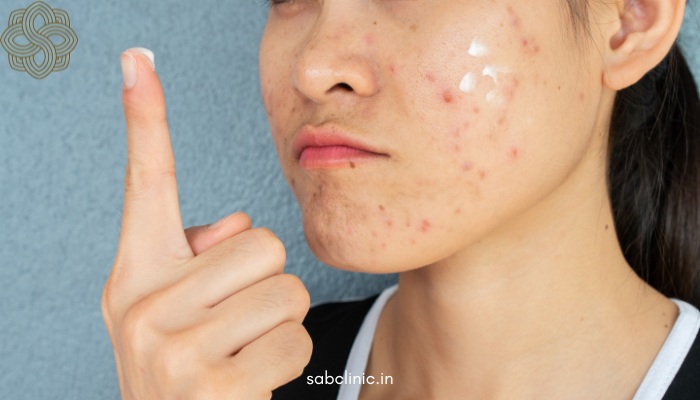
These days, skin issues have become very common because of lifestyle and environmental changes. Factors like pollution, stress, poor diet, lack of sleep, higher screen time, and exposure to chemicals in cosmetics all play a big role in skin damage.
Furthermore, climate changes, increased sun exposure, and hormonal imbalances have led to a rise in both cosmetic and medical skin issues. Places with high pollution levels often experience higher cases of acne, pigmentation, allergies, and premature aging.
Common Types of Skin Problems (Explained by Dr. Jasdeep)
Skin problems are categorized into various types based on their cause and appearance.
1. Acne and Pimples
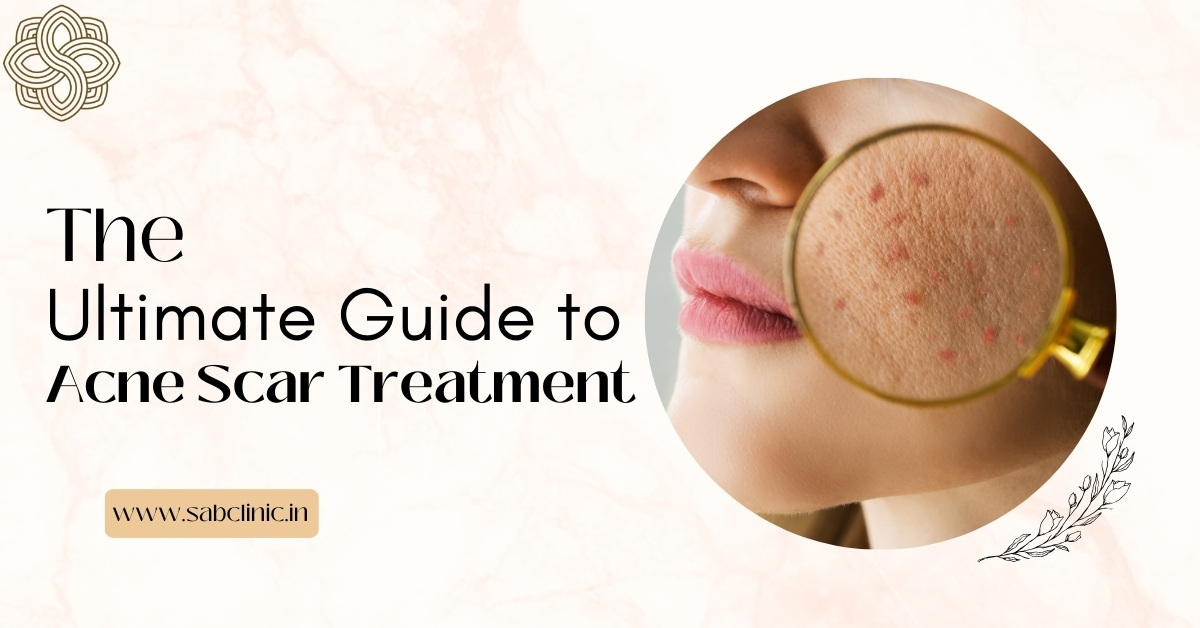
Acne is a very common skin problem. It affects teenagers and adults. It occurs when skin pores become clogged with more oil, dead skin cells, and bacteria, which leads to pimples and breakouts. Apart from that, hormonal changes, stress, pollution, and lack of skincare can worsen acne. Many people search for how to remove pimples naturally and permanently on google, but timely dermatological care is essential to prevent marks and scarring.
Symptoms: Pimples, blackheads, whiteheads, red inflamed bumps, oily skin, dark spots, and acne scars.
Treatments: Topical medications, oral treatments for severe acne, chemical peels, laser acne therapy, and advanced scar removal procedures to restore smooth skin texture.
Prevention Tips: Follow a gentle cleansing routine, avoid oily or comedogenic products, do not squeeze pimples, maintain a healthy diet, manage stress, and consult a dermatologist early for effective acne control.
2. Pigmentation Disorders
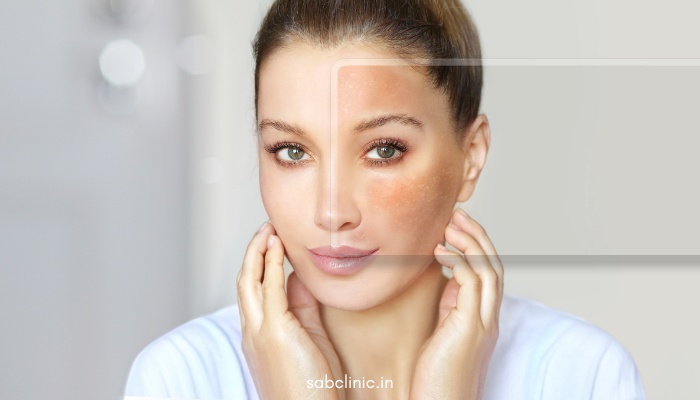
Pigmentation disorders are common skin problems that include dark spots, melasma, tanning, and uneven skin tone. These conditions occur due to excess melanin production, often triggered by sun exposure, hormonal changes, pollution, and certain medications. If not treated properly, pigmentation can become deeper and long-lasting.
Symptoms: Brown or dark patches, hyperpigmentation, uneven skin tone, and lighter or darker areas on the skin.
Treatments: Dermatologists may recommend pigmentation treatments such as medicated topical creams, chemical peels, laser therapy, or advanced skin-brightening procedures based on skin type and severity.
Prevention Tips: Use a broad-spectrum sunscreen daily, follow a healthy diet rich in antioxidants, avoid harsh skincare products, and protect skin from excessive sun exposure.
3. Allergic Skin Conditions
Allergic skin conditions like rashes, hives, contact dermatitis, and persistent itching caused by reactions to allergens like dust, food, cosmetics, chemicals, or environmental pollutants. It happens when the immune system overreacts to some substances, leading to skin inflammation and uneasiness.
Symptoms: Red rashes, itching, swelling, hives, dry or scaly skin, and burning or stinging sensation.
Treatments: Treatment can include anti-allergic medications, soothing topical creams, corticosteroids, and identification of triggers via allergy testing. Dermatologists in Delhi like Dr Jasdeep Kaur also recommend barrier-repair skincare to calm irritated skin.
Prevention Tips: Avoid known allergens, use hypoallergenic skincare products, perform patch tests before using new cosmetics, keep skin moisturized, and consult a dermatologist if symptoms recur frequently.
4. Inflammatory Skin Diseases
Inflammatory skin diseases such as eczema, psoriasis, and rosacea are chronic conditions that cause redness, itching, flaking, and skin irritation. These inflammatory skin conditions on the face and body often worsen due to stress, environmental triggers, climate changes, and immune system imbalance. While these conditions are not contagious, they require long-term medical management.
Symptoms: Red or inflamed patches, itching, dry or scaly skin, burning sensation, and visible flare-ups on the face or body.
Treatments: Treatment includes anti-inflammatory topical creams, moisturizers, prescription medications, light therapy, and customized skincare routines recommended by a dermatologist.
Prevention Tips: Avoid known triggers, keep skin well-moisturized, Use gentle and fragrance-free skincare products, Manage stress levels, Follow a dermatologist-recommended treatment plan consistently
5. Infectious Skin Problems
Infectious skin problems are caused by bacteria, viruses, or fungi. It includes conditions like ringworm, warts, boils, and other contagious skin infections. These infections spread via direct contact, poor hygiene, humid environments, or weakened immunity and can affect people of all age groups.
Symptoms: Red or itchy patches, Rashes, Blisters, Pus-filled boils, Scaling skin, Pain, Visible lesions
Treatments: Treatment depends on the type of infection and may include antibacterial, antiviral, or antifungal medications, topical creams, oral medicines, or advanced dermatological procedures such as laser or cryotherapy.
Prevention Tips: Maintain good personal hygiene, avoid sharing personal items, keep skin clean and dry, wear breathable clothing, and seek early medical treatment to prevent the spread of infection.
6. Aging Related Skin Issues
Aging-related skin problems include wrinkles, fine lines, and sagging skin. It also includes age spots that grow naturally by the time. These issues are majorly caused by reduced collagen production, prolonged sun exposure, pollution, and lifestyle factors like stress and smoking. Premature aging is increasingly common due to environmental damage and poor skincare habits.
Symptoms: Fine lines, deep wrinkles, loose or sagging skin, dull complexion, age spots, and uneven skin texture.
Treatments: A wide range of advanced solutions is available to address aging-related skin concerns. Options such as anti-ageing treatments, chemical peeling treatments, and advanced therapies like laser photofacials, hydra facials, and PRP facial treatments help rejuvenate the skin, reduce wrinkles and fine lines, improve skin texture, and restore a youthful glow. A dermatologist can customize the treatment plan based on skin type and aging severity.
Prevention Tips: Use sunscreen daily, follow a consistent skincare routine, stay hydrated, maintain a healthy diet, avoid smoking, and consult a dermatologist early for preventive anti-aging care.
Causes of Skin Problems:

Skin problems can develop due to a wide range of internal and external factors.
1. Environmental Causes
- Air pollution
- Sun exposure (UV rays)
- Extreme weather conditions
- Dust and allergens
2. Lifestyle Factors
- Poor diet and dehydration
- Stress and lack of sleep
- Smoking and alcohol consumption
- Improper skincare routines
3. Medical and Internal Causes
- Hormonal imbalance
- Genetic predisposition
- Weak immune system
- Chronic diseases such as diabetes
4. Chemical Exposure
- Harsh cosmetics
- Detergents and soaps
- Industrial chemicals
Understanding the root cause is essential for effective treatment and prevention of skin problems.
Common Symptoms of Skin Problems:
Skin problems present themselves in many ways, depending on the condition. Some of the most common symptoms include:
- Redness or inflammation
- Itching or burning sensation
- Dryness or scaling
- Pimples, boils, or bumps
- Changes in skin color
- Cracks or bleeding
- Thickened or rough skin
If these symptoms persist or worsen, consulting a dermatologist is strongly recommended.
Impact of Skin Problems on Daily Life:
Skin problems do not only affect physical health but also have emotional and psychological effects. Visible skin issues can lead to low self-esteem, anxiety, and social discomfort. Chronic itching or pain can interfere with sleep, work, and daily activities.
In severe cases, untreated skin conditions can lead to infections, scarring, or long-term complications. This is why early diagnosis and professional care play a crucial role in skin health.
Diagnosis of Skin Problems:
A dermatologist diagnoses skin problems through:
- Visual examination
- Medical history review
- Allergy testing
- Blood tests (if required)
- Skin biopsy in complex cases
Self-diagnosis or online remedies often worsen the condition, making expert evaluation essential.
Treatment Options For Skin Problems:
Treatment depends on the type and severity of the skin problem.
1. Medical Treatments
- Topical creams and ointments
- Oral medications
- Antibiotics or antifungals
2. Advanced Dermatological Treatments
- Chemical peels
- Laser therapy
- Phototherapy
- Injectables for aging concerns
3. Lifestyle and Skincare Changes
- Using dermatologist-recommended products
- Sun protection
- Balanced diet and hydration
- Stress management
A personalized treatment plan offers the best results.
Prevention of Skin Problems:
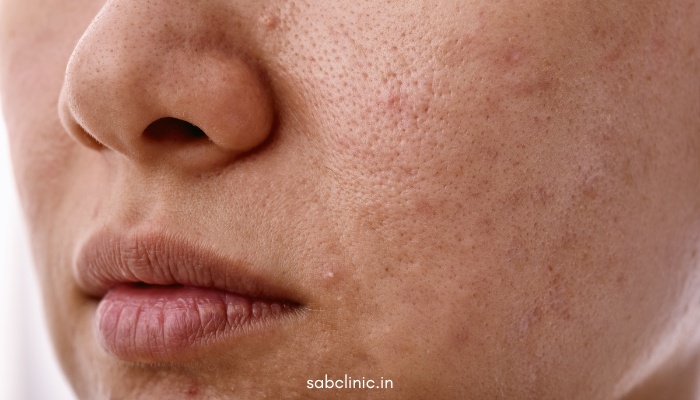
While not all skin problems can be prevented, many can be managed with simple habits:
- Cleanse skin gently twice daily
- Use sunscreen regularly
- Avoid harsh or untested products
- Maintain a healthy diet
- Stay hydrated
- Avoid touching or picking at skin
Regular skin check-ups help detect issues early and prevent complications.
When Should You See a Dermatologist?
You should consult a dermatologist if:
- A skin problem lasts more than two weeks
- Symptoms worsen despite home care
- There is pain, bleeding, or infection
- Sudden changes in skin appearance occur
- You experience recurring skin issues
Early medical intervention ensures faster recovery and healthier skin.
Conclusion:
Skin problems are a common yet often underestimated health concern. They can range from mild cosmetic issues to serious medical conditions requiring expert care. Understanding what skin problems are, their causes, symptoms, and treatment options empowers individuals to take better care of their skin. At Skin Aura Brain, expert dermatological care is focused on accurate diagnosis, personalized treatment plans, and maintaining long-term skin health.
Healthy skin is not just about appearance—it reflects overall well-being. With proper awareness, timely treatment, and professional guidance, most skin problems can be effectively managed or prevented.