Blogs Wellness Wisdom: Expert Tips
and Medical News
-
17
February
Best Summer Skin Care Routine For Indian Skin Types
The sun in India is very strong. Heat, dust and high humidity come with it. And these things can harm your skin. You may notice more oil on your face or your skin becoming tanner or splotchy. Which is why you should have a summer skin care routine. A good summer skincare routine will leave your skin cool. It stops pimples from growing. It also shields you from the extremely hot sun rays. Now, there are multiple products and you just have to know how to properly use them. A lot of people believe taking care of the skin is tough, but it is actually very simple. All you have to do is be consistent. If you just follow the summer skincare routine daily, it will show differences. You’ll be cool as a cucumber even when it’s 40 degrees out. Here is a guide to best summer skincare routine. We will discuss the various skin types and simple tips that you can implement in daily life. Why You Need a Special Skincare Summer Season Plan: The weather in India changes very fast. Winter makes the skin dry. Summer makes skin sweaty. If you use the same creams all year, your skin will suffer. Heavy creams seal up your pores in May and June. And that creates blackhead and heat rashes. A summer skin care routine switches out the heavy products for lightweight ones. It’s more about cleaning up, and protection. The sun also causes aging. It causes lines and spots. When you implement a summer skin care routine, you help to combat these signs. You keep your skin young and also keep it hydrated. Healthy skin is hydrated skin. Your skin appears sleepy and grey without it. Here is a guide for creating your own routine today. Morning Routine For a Perfect Summer Skincare Routine: Your morning should start with protection. You have to get your skin ready for the heat out there. First, wash your face, and use a gentle cleanser. This removes the sweat from your sleep. Do not use very hot water, always wash your skin with cool water. This is how the summer skin care routine begins. Next, apply a toner. Rose water is a great choice. It is one of the top skin care tips in summer at home. It feels like a cool wash for your skin as soon as you put it on. Then, after toner, apply a lightweight serum. Vitamin C is ideal for the daytime. It brightens your face. It’s also good for your sunscreen. Finally, apply a moisturiser. Yes, even when it’s hot; your skin still needs moisture. Choose a water-based gel because it feels like nothing on the skin but leaves the face soft. The Importance of Sunscreen in Skin Care for Summer: You can’t mention a summer skincare routine without sunscreen. That is the most important product. Note: The Indian sun is boiling with ultra-violet ray so it can lead to skin cancer, and deep tans. Opt for an SPF of 50 or more (always!). Check the bottle for the label “PA+++.” That means it guards against all types of rays. Apply a lot of sunscreen. Use the two-finger rule. Apply two stripes of cream on your fingers and smooth it over your face and neck. Do not forget your ears. People tend to overlook their ears and they get sunburned. You need to reapply it every three hours. If you’re a big sweater, slather on more sooner. This is essentially the crux of skincare in summers. If you don’t use sunscreen, the other stuff won’t perform nicely. Summer Skin Care Routine for Oily Skin: In India, most people have oily skin. Humidity causes your pores to produce oil. Your face may appear slick and oily. A summer skin care regimen for oily skin is all about keeping your oil in check. You have to keep those pores clear. If pores become clogged, you will get acne. Use a face wash with salicylic acid for breakouts. This acid penetrates the pores and clears them out. Do not skip moisturiser. If you ditch it, your skin believes itself to be dry. Then it makes even more oil. Use a matte-finish moisturiser. It stays dry on your face. You also need to do a clay mask once a week. Multani Mitti is a classic skin care tip in summer at home for oily skin. It sucks the excess grease away and makes your face feel tight and rejuvenated. Always have blotting papers to dab away sweat throughout the day. Summer Skincare Routine for Dry Skin: Dry skin can be very itchy in the heat and the air conditioner makes it worse. This makes your skin flaky. A summer skin care routine for dry skin should be extra hydrating. Do not use harsh soaps. They turn your skin into paper. The right product is a creamy cleanser that remains moist. Layer your products. Start with a hydrating mist. Follow that with a hyaluronic acid serum. This ingredient locks water inside your skin. Of course, you’ll want to opt for a cream that is lightweight but still nourishing. When shopping for summer skin products, aloe vera or shea butter are good ingredients to look for. These ingredients soothe the skin. If your skin is slightly sunburned, you can use cool aloe vera gel on it. It’s a cold drink for your face. The Nighttime Skincare in Summer guide: At night, your skin breathes. That is why you have to remove the dirt. This is the time when you fix up your sun damage. Begin by removing your makeup and sunscreen. A basic face wash is great for removing dirt and oil, but if you’re wearing a lot of makeup, you might need a little extra help. A creamy or oil-based cleanser can go a long way even if you don’t wear much makeup. But when it comes to sunscreen, your regular facial cleanser probably won’t cut it. Start with a micellar water or cleansing balm. This is called double cleansing. This is an essential part of summer skincare. Once you’ve cleansed your face, apply a soothing night gel. You can try using a product with niacinamide. This will also help to minimise the size of pores. It also fades sunspots. Night is optimal for heavy repair. But keep the texture light. You don’t want to wake up with an oil slick on your
-
11
February
FUE vs FUT Hair Transplants: Which is Right For You?
Hair loss shakes confidence in ways most people don’t openly discuss. You notice an increasing amount of hair in the shower drain. You start to see thinning at the temples. You begin fiddling with your hairstyle to conceal bald spots. With time, these tiny changes start influencing the way you feel about yourself. That is why now more people are considering the hair transplant treatment as a permanent fix. But before you start your research, there are two main options you’ll see right off the bat: FUE hair transplant and FUT hair transplant. That’s where the real process starts. Men and women looking into FUE vs FUT which is better have a tough time determining the actual differences. In this guide we will explain, FUE vs FUT Hair Transplants: Which Is Right for You? You’ll learn how each technique works, who’s most likely to benefit from it, what recovery is like and how you can determine which will suit your lifestyle and meet your expectations. Understanding The Basics of Hair Transplants: With a hair transplant, healthy follicles are removed and relocated from one part of your scalp to where the hair is thinning or gone. Doctors typically take donor hair from the back or side of the head, since those areas are genetically resistant to hair loss. These healthy follicles are then implanted in bald or thinning areas. Naturally, the transplanted hair grows via its phases or cycles as it would have in its previous location. You can wash it, trim it and style it like your natural hair. Procedures differ in how doctors extract the hair follicles from the donor area. That one variation results in two methods: FUE and FUT. What is a FUE hair transplant? In an FUE, the hair transplant surgeon takes single hair follicles from the donor region with a small punch device. Then the follicles are implanted one by one. The doctor then implants those follicles into the thinning area. The surgeon does not remove any skin in this technique. Rather, they remove follicles of the donor region in a random way. This approach removes the need for a long linear scar. FUE is typically the pick among patients because it leaves very small dot-like scars that will be hard to see if you prefer short hair. The area of the donor is shaved by the surgeon before the surgery, decreasing the chances of dissecting out unwanted hair. For those who want less visible scarring, and a faster recovery, FUE is a good option. This is the only way to go due to its convenience and younger people like it because of their active lifestyles. What is a FUT hair transplant? In a FUT hair transplant, the doctor extracts a narrow strip of scalp from the rear of your head. Then the doctor proceeds to sew up that space. The strip is then sectioned into individual grafts by the medical team under a microscope in preparation for implantation. The thinning area, similar to that in FUE, is implanted with those grafts by the surgeon. Rather, the source of the grafts is what differs most. With FUT there is almost always a single linear scar at the back of the head with most patients. If you wear your hair long, that scar remains concealed. But if you are shaving your head very short, you may notice it. FUT is the choice of many surgeons when the patient requires a high number of grafts during one session. That approach enables doctors to harvest numerous follicles in an efficient manner. Procedure Time and Surgical Process: In a FUE hair transplant, since the surgeon removes follicles one by one, most of the time it will take longer to complete. This procedure can take a few hours depending on the number of grafts needed. The surgeon maintains accuracy while at work. There is typically a little more speed with FUT, since the surgeon removes one strip at once. Then while the doctor closes up the donor area, the team makes grafts. The time for implantation is the same in both techniques. Those patients who require a really large amount of coverage might fall into this group if they wish to reduce the number of sessions. That being said, a significant number of clinics do best hair transplants in Delhi now perform big FUE sessions too these days. Scarring and Appearance: FUE leaves little holes throughout the donor region. They go on to heal in the form of pinpoints which get lost among the hair that surrounds them. You wouldn’t see most of these unless you went totally shaved. FUT creates a straight line scar where the doctor takes out the strip of hair. Then the wound is carefully closed by an experienced surgeon to minimise scar width. However, the line remains permanent. If you are interested in going for very short haircuts or buzz cuts, then generally FUE is more suitable. If you plan to have medium-long hair, the strip might not concern you. Recovery and Healing: In a FUE hair transplant, the person sees small red dots in their donor area which heal after a few days. The small incisions are quick to heal, and most patients go back to normal activities within days. The scalp can be sensitive or feel tight at first. FUT is stitched in the donor site. It is normal for patients to feel heaviness in the area for a few weeks. Doctors will remove the stitches after about 10 days. Patients may experience a slight numbness next to the scar during recovery. Both methods require proper aftercare. You have to wash as directed. You may want to lay off strenuous exercise just for a week or two. The swelling and tiny scabs on the recipient site resolve over a period of time. Hair Density and Results: In the hands of an experienced surgeon, both methods result in a natural appearance. In FUT, surgeons may be able to implant a few more grafts in one sitting. That advantage could be useful for people with more advanced hair loss who are looking to achieve a dense covering. FUE offers flexibility. Surgeons can precisely focus on donor areas. And many who utilise precision combined with modern tools can achieve FUE even with excellent density. Patients ask FUE vs FUT which is better and
-
6
February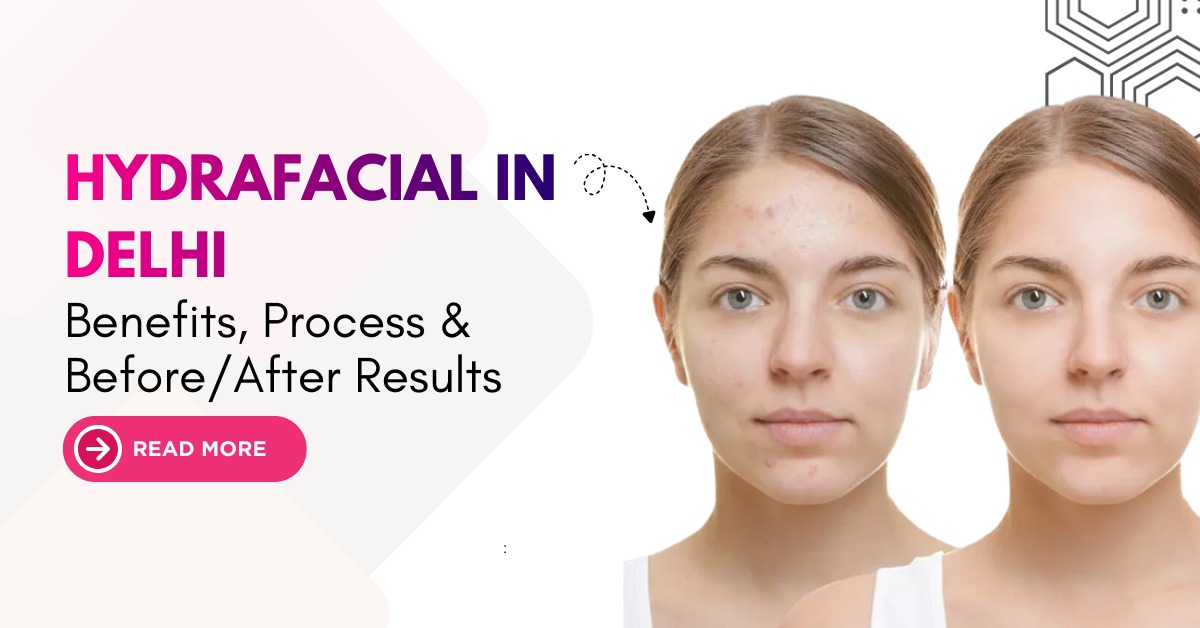
Hydrafacial in Delhi: Benefits, Process & Before/After Results
For a city like Delhi, the skin has it tough every day. From the thick dust covering everything to increasing pollution and a pace of life that’s always dialled up to 11, it’s no wonder that so many of us see skin in the mirror that looks tired or dull or broken out. If you’re looking for where to get the best hydrafacial near me, the one thing that’s going to restore a little bit of light and life to your face, this is it. Today, we analyse why this treatment has become the ‘go-to’ for Delhiites. If you’ve got a wedding, a huge meeting or just want to feel more confident in your own skin- knowing what the best Hydrafacial treatment in Delhi is can totally transform how you face yourself in the mirror every day. At Skin Aura Brain, we think everyone should be comfortable in their own skin and also look radiant. Why Get a Hydrafacial in Delhi? Delhi’s climate is unlike other parts of the world and unfortunately quite unkind to our skin. We get hot summers, cold winters and lots of pollutants in the air. This cocktail of factors clogs pores, makes you age prematurely and leaves behind a fine layer of street “grime” that regular face washes are just not going to manage. When you search for a Hydrafacial in Delhi, you’re not only getting an upscale facial. Being medical-grade, a resurfacing treatment will clear out those pores and push goodness back into the skin. Different to FH facials which can be painful and involve lots of manual extractions (i.e. but keep in mind his hands are BEYOND big) this facial uses a specific machine that acts like a teeny vacuum. It is mild, effective, and suitable for the hectic life of a metropolis dweller. The Step-by-Step Procedure of Best Hydrafacial Treatment in Delhi: When people visit Skin Aura Brain many of them have one of the biggest questions “What actually happens during a session?” It is a systematic process that offers the benefits instantly and without downtime. Here is how it works: Cleaning and Peeling Your first step is preparation. With a small tool, the technician sweeps dead skin cells and excess oil away. Consider it as a superdeep way to cleanse the “canvas” of your face. It employs a combination of botanical cleansers to ensure your skin is prepped for the next steps. Gentle Acid Peel Do not be frightened away by the word “acid.” In the best Hydrafacial treatment in Delhi, we utilise a gentle blend of salicylic and glycolic acids. This concoction dissolves the built-up dirt and grime in your pores without leaving your skin puffy with redness, nor feeling the burn you typically get post chemical peel. Extraction (The Magic Part) Here is where a “vacuum” enters. The tool works with a patented suction to suck out blackheads, whiteheads and oil from the pores. There’s something so oddly gratifying about watching the “gunk” in your skin get extracted with wow-worthy ease. That’s why people always search for the best Hydrafacial near me, it’s simply impossible to get pores this unclogged without irritating them. Hydration and Protection With clean, empty pores, they are free to “imbibe” te product. It dispenses a powerful mix of antioxidants, peptides and hyaluronic acid into the skin. This “plumps” the skin from within, one that results in the famous “glow” right after treatment. Incredible Benefits of having a Hydrafacial in Delhi: When you choose a Hydrafacial in Delhi, you’re investing in long-term skin health. Here are the primary benefits: Minimal Down Time: You can receive a treatment on your lunch break and return to work or out to dinner immediately. There’s no peeling or redness. Ideal for All Skin Types: The program can be tailored to those of you with very oily skin, dry skin, sensitive skin, and everything in between. Instant Results: brighter and smoother skin after the first treatment of 45 minutes. Diminishes Fine Lines: Intense hydration softens the look of fine lines around the eyes and mouth. Combats Acne: As it clears the pores of oil and dead skin, it can help ward off further breakouts Exploring Hydrafacial in Delhi the Cost of Treatment: We understand that budget is a major consideration for everyone. When searching for the best hydrafacial in Delhi, there can be various prices that you come across. It’s worth noting that the cost is usually associated with the quality of serums used and the level of staff experience. The Hydra facial price in Delhi is at different price points depending on how luxurious the clinic is and whether they have “add-ons” like LED light therapy or specific boosters for anti-aging. Typically, a basic session could begin at just a few thousand rupees. Understanding the Hydrafacial in Delhi: Is it worth it? Be wary of a cheap hydrafacial in Delhi at any salon (or anywhere for that matter). This is a technical procedure. Doing so with “knock-off” machines or cheap serums can cause skin irritation or provide no results. At Skin Aura Brain, we believe in giving value, as in high-quality medical care at a ‘reasonable’ price so that you’ll get results that match what it says on the tin! What to Expect in the After Before Results: Before the treatment: Most clients come in with skin that feels “heavy” and may look a little grey or dull, with visible blackheads on the nose or chin. The skin can be rough to the touch. After the treatment: The bounce is the first thing you will notice. Your skin is definitely softer and more moisturised. Gone are your blackheads, and your pores appear so much smaller. Most people report that their makeup applies so much more smoothly the following day, but you may find you don’t even need to wear makeup at all as your skin looks so great naturally For long-term lasting results, especially if you are working with sun damage or acne, we typically suggest a monthly session. This is to keep the skin cycle healthy and not allow Delhi’s pollution to get in. Why Skin Aura Brain Is The Best For You: You need someone who knows exactly what your skin wants, if you are searching for Hydrafacial in Delhi. At Skin Aura Brain, we do not
-
3
February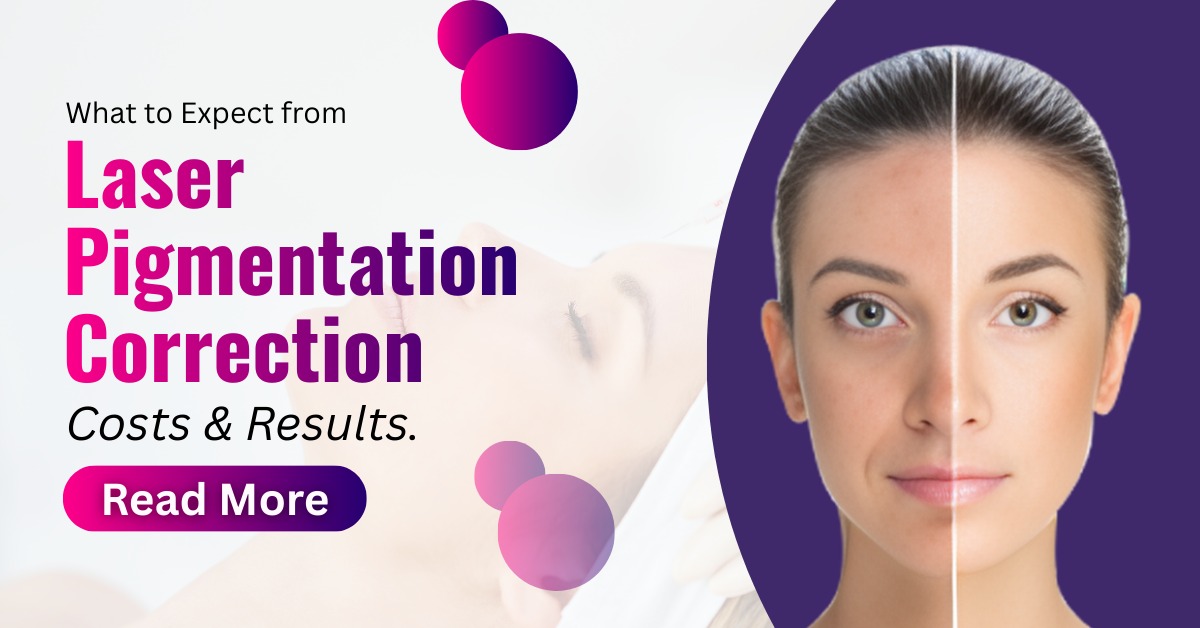
What To Expect From Laser Pigmentation Correction | Costs & Results
Pigmentation issues are prevalent these days and they can affect a person of any age. Dark circles, uneven skin tone, Melasma, sun damage or pimple scars can make anyone’s face look tired and dull. When creams and home treatments fail, people are often drawn to more extreme measures. This is where Laser Pigmentation correction becomes a viable and credible choice. If pigmentation has been troubling you for months or even years, considering the best pigmentation treatment can help you move forward with confidence. There is an increasing market for advanced pigmentation treatments in Delhi, as lasers have emerged as safer, more accurate, and safer for Indian skin tones. In this blog post, you will get to know about how does laser pigmentation treatment works, the results you can expect from it and importantly what the Cost of Laser Treatment for Pigmentation in India typically is. Why We Get Pigmented Skin: Pigmentation occurs when your skin is making more melanin than it should. The skin colour we have is caused by a natural pigment called melanin but when it starts to build up in an uneven pattern, dark blotching and spotting can occur. One of the biggest triggers is sun exposure, especially when you skip sunscreen or apply it incorrectly. Hormonal fluctuations, pregnancy, stress, acne, aging and even some medications can also lead to increased pigmentation. Sometimes pigmentation lightens naturally, but deeper pigmentation can sink into the deeper skin layers. In these situations, topical products alone may not visibly improve, and so professional pigmentation treatment is important. What Is Laser Pigmentation Correction? Laser Pigmentation correction is a non-invasive skin treatment that utilises the power of light to pinpoint and clear the concentration of surface melanin pigment in your skin. It uses a concentrated beam of laser light to target the dark pigment without harming the skin around it. Unlike fairness creams or other chemical products, which act superficially and their effects remain for a short period of time, laser treatment for pigmentation reaches deep into the skin layers. This makes it very effective for pigmentation that keeps rearing its ugly head no matter how much regular skincare you do. How Does Laser Treatment for Pigmentation Work on Your Skin? How is it done: A dermatologist will utilise an innovative laser pigmentation removal Machine during the procedure, which controls light energy discharge. The more pigmented area of your skin absorbs this energy. When ingested, the pigment is metabolised into minuscule particles. Your body will take care of the rest, as it heals over the days or weeks and eventually clears the pigments out. Over a series of sessions, you begin to see clearer skin, lighter spots and an even tone. Most sessions typically range from about 20-40 minutes, depending on the treatment area and pigmentation severity. Pigmentation Treatment of Laser Available Types Lasers are very versatile and can treat a wide variety of pigmentation concerns. This can be seen in: sun spots seen as a result of chronic exposure but also melasma from hormones, freckles, age spots and post-acne brown marks or dark patches. In the case of Advanced Pigmentation Treatments in Delhi, doctors tailor laser settings based on your skin type and the depth of pigment. This tailored treatment not only provides more effective outcomes but also fewer adverse effects. Why are advanced pigmentation treatments more reliable? Not all laser therapies are created equal. Advanced Pigmentation Treatments in Delhi work better as the modern machines and doctors make a great combination. Indian skin is extremely sensitive, wrong lasers can cause more pigmentation instead of reducing it. Clinics like Skin Aura Brain concentrate on skin analysis prior to initiating the treatment. This helps gauge the right amount of laser intensity, the number of sessions you’ll need, and supportive skincare to help guard your results. What You Can Expect From a Laser Session: Discomfort is a common concern for people considering laser pigmentation correction, the device can be well tolerated. You will feel a slight warmth or tingling on your skin throughout the session. A gentle snapping is how some describe it. It’s common to put on cooling gels or cool packs for skin comfort. Your skin may look a little red or feel warm for several hours after the session. It is temporary and will normally resolve on its own. What Happens After the Treatment: Your skin may look marginally darker for a day at the treated areas before it even begins to lighten, post-laser treatment for pigmentation. This is a natural part of the process of healing. In the next few days, the pigmentation will flake off and disappear. Protection from the sun is especially important after treatment. The use of sunscreen on a daily basis and avoiding sun exposure can protect your skin, preventing pigmentation from recurring. Laser Pigmentation Cost in India: What You Need to Know: The cost of laser pigmentation in India depends on your doctor, experience and location. The cost depends on the pigmentation i.e. type and size of area treated, no of sessions required and the technology used. Treatment cost can be from a couple of thousand rupees per session on the lower side for small areas and higher for full face treatment. Most people require several sessions to achieve optimal results, so at the end of a treatment dermatologists usually recommend packages rather than single treatments only. Inexpensive is one thing, but the safety of professionals and machines with experience will prove to be significantly less expensive in the long run. How Many Treatments Before You See Results: Pigmentation does not disappear overnight. Most people will need three to six treatments before seeing a significant reduction in fine-lines and wrinkles. The number of factors here is how superficial or deep your pigmentation is and also how your skin takes the laser. Lighter pigmentation may heal more rapidly, while deeper or hormonal pigmentation may take longer. Results take time to become evident, but with persistent treatment and good after-care, they indeed do become obvious. With laser treatment, the pigmentation is greatly reduced, but you need to maintain it. Pigmentation can come back if your skin becomes damaged again from too much sun or hormonal triggers. The result is long-lasting if you follow the skincare, use sunscreen regularly and maintenance sessions as advised. Is Laser Pigmentation Safe on Indian
-
30
January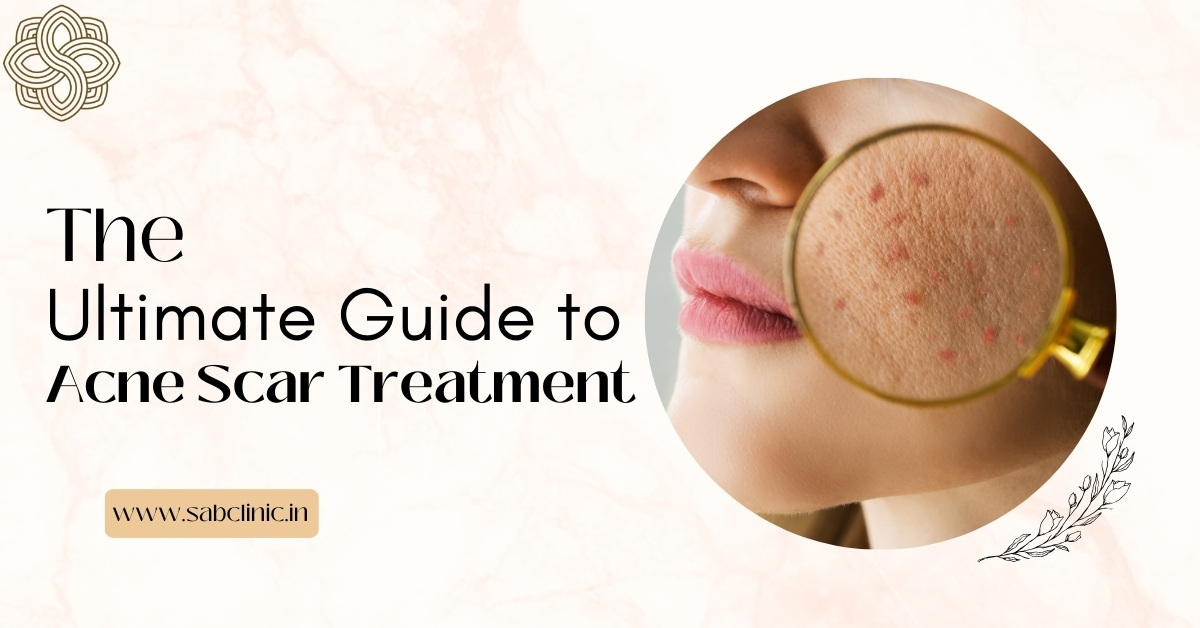
The Ultimate Guide To Acne Scar Treatment: Methods & Recovery
Acne may come and go, but the scars that it leaves behind can remain for a long time. For the great majority, acne scars simply get on an emotional level; chipping away at self-esteem, confidence, and feeling uncomfortable in everyday situations, whether it’s dodging close-up photo angles, or running your fingers across uneven skin. The acne scar treatment isn’t about pursuing perfect skin as it is about allowing your skin to heal properly and helping you feel comfortable in your own skin again. What most don’t know, however, is that acne scars are not the same as active acne. They do not go away with random products or home remedies because the damage goes far deeper into the skin. With the right guidance and advances in dermatologic technology, we can help soften, smooth and make most acne scars tolerable. The trip is slow, but the experience feels organic and the prize authentic. What Acne Scars Really Are (and Why They Don’t Just Go Away): Acne scars occur when deep inflammation damages the skin’s collagen and tissue. But instead of smooth, even collagen, the skin heals in a lopsided way, resulting either in dents, raised spots or dark lingering marks. This damage lurks beneath the epidermis, which is why creams that we apply to our skin may not show any significant results. Another little-known fact is that the older you get, the more evident age acne scarring can become. If any of this tissue is then removed the coloured scar may become darker and more visible, whereas fine scars can be stretched as new photocopied layers are added, resulting in thin shallow indented scars reappearing worse than they were originally. That is why an efficient acne scars treatment works on building collagen and improving the skin structure, instead of focusing only on superficial appearance. Why Deal with Acne Scars Early on Instead of Later? For years, people put off treating acne scars, believing they’d fade over time. Very superficial marks may be helped by realising your skin turns over every few days (about 4) so with some aggressive moisturization and treatment, very mild scarring might fade a little bit but your deeper scars likely won’t do anything without intervention. The sooner treatment begins, the easier it is for the skin to respond as its natural repair processes are still highly effective. Treating scars early doesn’t necessarily require aggressive intervention. Indeed, gentle early interventions can help keep scars at bay for good. Early treatment generally means fewer sessions as well as quicker healing, ultimately creating a more refined and natural look, saving time, and emotional anxieties. The Type of Acne Scars You Actually Have Matters More Than You Think: Not all acne scars are the same, few folks know that. Some scars are texture-related, where they make dents or patches, while others are pigment-based, looking like dark or red marks. One can’t so easily substitute one for the other without disappointment. This is where the professional diagnosis of skin is so important. It also helps to be able to identify whether you’re dealing with textural scarring, pigmentation or a bit of both so that treatments can be selected wisely. The best way to treat acne scars is not to do more, but better, for your unique skin type. Acne Scars MNRF Treatment: A More Natural, Deeper Healing: Acne Scars MNRF Treatment combines microneedling with the power of radiofrequency to tackle these scars where they start. The microneedles generate specific micro-channels in the skin, and the heat generated by radiofrequency activates collagen production deep within the dermis. This two-fold process helps the skin to heal itself from within. Part of what makes this treatment so effective is that it improves overall skin quality, not only scars. Gradually skin becomes firmer, texture smoother and pores look more refined. A lot of patients looking for the best acne scars MNRF treatment in Delhi opt for this because it comes with noticeable results minus a lengthy recovery or artificial look. Acne Scarring Removal Laser Treatment for Acne Marks: Laser treatment for acne scars is typically used to treat rough texture or to increase skin renewal. The modern technique is very exact and manageable, ensuring selective treatment without any harm to surrounding skin. When performed correctly, it can help flatten scars while promoting overall skin health in the long term. For pigmentation induced marks, the most recommended option is Q-Switch Laser Treatment. It is directed at extra melanin, assisting your dark spots to fade out slowly and safely. This is an ideal approach for anyone trying to find the best Hyperpigmentation acne scar treatment, when the texture of the skin remains relatively smooth. Acne Scars Aftermath: What To Really Expect From Your Acne Scar Treatments: Acne scar treatment recovery is actually typically simpler than many people realise. Some redness, heat or tenderness is normal and should disappear within a couple of days. As the skin heals, it may feel tightened and dry which is normal while collagen is regenerating. What happens after you recover is the most important part. Daily gentle cleaning with no dirty products, and stay out of the harsh and consistent sun as the skin heals. Results come slowly, over weeks and months, not days. Because patience is the name of the game, and good things come to those who wait. Professional Acne Scar Treatment Works Wonders at Skin Aura Brain: At Skin Aura Brain we treat acne scars with delicacy honesty and personalised treatment. No two skins are the same and treatments are tailored, never rushed, never cookie-cutter. Patients are provided with an individualised, professional assessment and advanced treatment options by a highly qualified skin specialist, Dr Jasdeep Kaur. She offers realistic results, skin safety and long-term improvement, she wants to help patients not only better their skin but also feel confident through the process. Finally: Dealing with acne scars can be very disheartening, but there are remedies available. Through proper treatment and care from professionals, in addition to expectancy that is practical, acne scars treatment may make a significant long-term improvement. When skin heals effectively, confidence often follows, and that kind of shift is profound on a level beneath the skin.
-
28
January
10 Common Skin Problems in Delhi and How to Overcome Them?
Dr. Jasdeep Kaur, the best skin doctor in Delhi and Gurgaon. At Skin Aura Brain, she explains that skin problems are one of the most common health concerns. It is affecting people of all ages across the world. From small issues like dryness and acne to chronic conditions like eczema and psoriasis, skin problems can impact physical appearance and confidence, comfort, and overall quality of life. The skin is the body’s largest organ and is a protective barrier against infections, pollution, harmful UV rays, and environmental damage. When this barrier is damaged, many skin issues can grow. Knowing what skin problems are, why they occur, and how they can be prevented is the first step toward healthy skin. Understanding Skin Problems From the Lens of a Skin Doctor: Skin problems refer to any issue that impacts the texture, color, appearance, or function of the skin. These problems may appear as rashes, pimples, discoloration, itching, inflammation and scaling. Skin problems can be temporary or long-term, mild or severe, and may occur because of internal health issues or external environmental factors. Some skin problems get fixed on their own, however others need medical attention from a dermatologist or skin doctor for proper treatment. Why Are Skin Problems So Common? These days, skin issues have become very common because of lifestyle and environmental changes. Factors like pollution, stress, poor diet, lack of sleep, higher screen time, and exposure to chemicals in cosmetics all play a big role in skin damage. Furthermore, climate changes, increased sun exposure, and hormonal imbalances have led to a rise in both cosmetic and medical skin issues. Places with high pollution levels often experience higher cases of acne, pigmentation, allergies, and premature aging. Common Types of Skin Problems (Explained by Dr. Jasdeep) Skin problems are categorized into various types based on their cause and appearance. 1. Acne and Pimples Acne is a very common skin problem. It affects teenagers and adults. It occurs when skin pores become clogged with more oil, dead skin cells, and bacteria, which leads to pimples and breakouts. Apart from that, hormonal changes, stress, pollution, and lack of skincare can worsen acne. Many people search for how to remove pimples naturally and permanently on google, but timely dermatological care is essential to prevent marks and scarring. Symptoms: Pimples, blackheads, whiteheads, red inflamed bumps, oily skin, dark spots, and acne scars. Treatments: Topical medications, oral treatments for severe acne, chemical peels, laser acne therapy, and advanced scar removal procedures to restore smooth skin texture. Prevention Tips: Follow a gentle cleansing routine, avoid oily or comedogenic products, do not squeeze pimples, maintain a healthy diet, manage stress, and consult a dermatologist early for effective acne control. 2. Pigmentation Disorders Pigmentation disorders are common skin problems that include dark spots, melasma, tanning, and uneven skin tone. These conditions occur due to excess melanin production, often triggered by sun exposure, hormonal changes, pollution, and certain medications. If not treated properly, pigmentation can become deeper and long-lasting. Symptoms: Brown or dark patches, hyperpigmentation, uneven skin tone, and lighter or darker areas on the skin. Treatments: Dermatologists may recommend pigmentation treatments such as medicated topical creams, chemical peels, laser therapy, or advanced skin-brightening procedures based on skin type and severity. Prevention Tips: Use a broad-spectrum sunscreen daily, follow a healthy diet rich in antioxidants, avoid harsh skincare products, and protect skin from excessive sun exposure. 3. Allergic Skin Conditions Allergic skin conditions like rashes, hives, contact dermatitis, and persistent itching caused by reactions to allergens like dust, food, cosmetics, chemicals, or environmental pollutants. It happens when the immune system overreacts to some substances, leading to skin inflammation and uneasiness. Symptoms: Red rashes, itching, swelling, hives, dry or scaly skin, and burning or stinging sensation. Treatments: Treatment can include anti-allergic medications, soothing topical creams, corticosteroids, and identification of triggers via allergy testing. Dermatologists in Delhi like Dr Jasdeep Kaur also recommend barrier-repair skincare to calm irritated skin. Prevention Tips: Avoid known allergens, use hypoallergenic skincare products, perform patch tests before using new cosmetics, keep skin moisturized, and consult a dermatologist if symptoms recur frequently. 4. Inflammatory Skin Diseases Inflammatory skin diseases such as eczema, psoriasis, and rosacea are chronic conditions that cause redness, itching, flaking, and skin irritation. These inflammatory skin conditions on the face and body often worsen due to stress, environmental triggers, climate changes, and immune system imbalance. While these conditions are not contagious, they require long-term medical management. Symptoms: Red or inflamed patches, itching, dry or scaly skin, burning sensation, and visible flare-ups on the face or body. Treatments: Treatment includes anti-inflammatory topical creams, moisturizers, prescription medications, light therapy, and customized skincare routines recommended by a dermatologist. Prevention Tips: Avoid known triggers, keep skin well-moisturized, Use gentle and fragrance-free skincare products, Manage stress levels, Follow a dermatologist-recommended treatment plan consistently 5. Infectious Skin Problems Infectious skin problems are caused by bacteria, viruses, or fungi. It includes conditions like ringworm, warts, boils, and other contagious skin infections. These infections spread via direct contact, poor hygiene, humid environments, or weakened immunity and can affect people of all age groups. Symptoms: Red or itchy patches, Rashes, Blisters, Pus-filled boils, Scaling skin, Pain, Visible lesions Treatments: Treatment depends on the type of infection and may include antibacterial, antiviral, or antifungal medications, topical creams, oral medicines, or advanced dermatological procedures such as laser or cryotherapy. Prevention Tips: Maintain good personal hygiene, avoid sharing personal items, keep skin clean and dry, wear breathable clothing, and seek early medical treatment to prevent the spread of infection. 6. Aging Related Skin Issues Aging-related skin problems include wrinkles, fine lines, and sagging skin. It also includes age spots that grow naturally by the time. These issues are majorly caused by reduced collagen production, prolonged sun exposure, pollution, and lifestyle factors like stress and smoking. Premature aging is increasingly common due to environmental damage and poor skincare habits. Symptoms: Fine lines, deep wrinkles, loose or sagging skin, dull complexion, age spots, and uneven skin texture. Treatments: A wide range of advanced solutions is available to address aging-related skin concerns.
-
22
January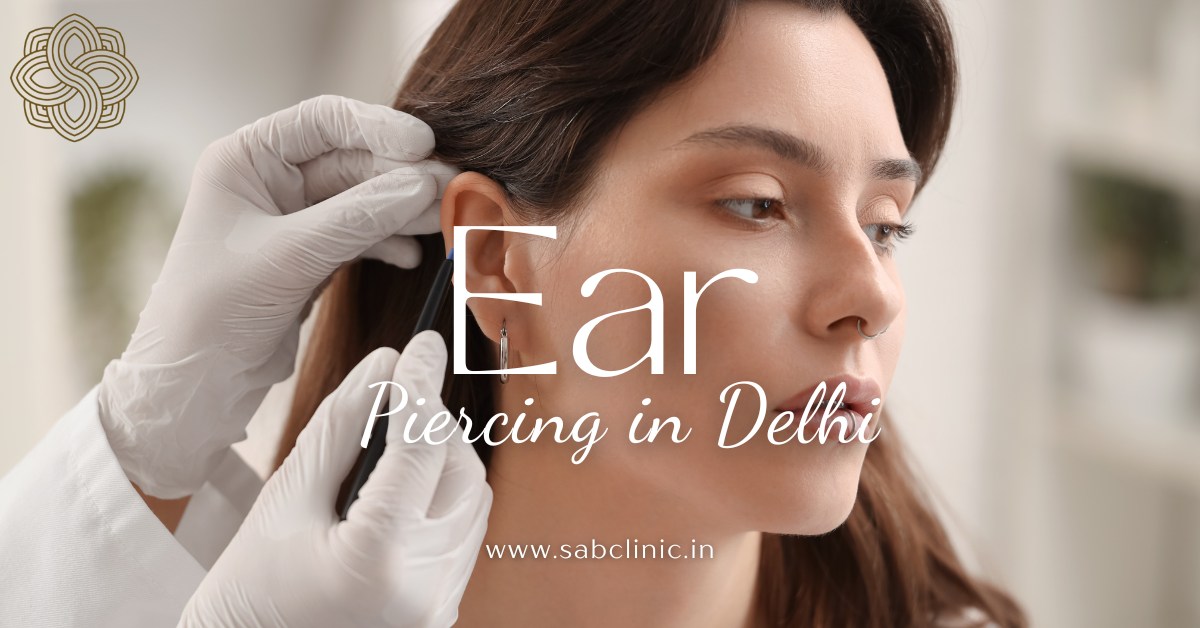
Ear Piercing in Delhi: A Complete Guide By Dr Jasdeep Kaur
Ear piercing is a style choice for the younger generation. Moreover it’s a personal choice that involves aesthetics, culture, and self choice. In cities like Delhi, where fashion trends change rapidly and individuality is cherished, ear piercings remain a timeless way to enhance your look. However, with options coming from street shops, jewellery stores, tattoo parlours, and professional clinics, you need the right information to make a safe, confident, and informed decision. In this blog guide, I’m Dr Jasdeep Kaur, dermatologist at Skin Aura Brain. I’ll walk you through everything you need to know about ear piercing in Delhi. I’ll let you know about safety and the process to aftercare and why choosing a professional option matters. Why Ear Piercing in Delhi is So Trendy? Ear piercing is one of the most common forms of body aesthetics in India. It’s deeply rooted in cultural traditions. Many Indian families pierce children’s ears young as part of rituals. At the same time, adults or teenage choose ear piercings for: Style and fashion: To express their personality with multiple piercings and coordinated jewellery. Cultural significance: Ear piercing is a tradition in many communities. Self-expression: From minimalist studs to bold cartilage designs. While this trend is booming in Delhi, the focus needs to be on safe practices that protect your health and beauty long after the piercing day itself. Professional Ear Piercing vs. Other Options In Delhi, you’ll find many places that offer ear piercing . Everything from jewellery shops and beauty parlours to professional clinics offer ear piercing. But are all options created equal? Why professional ear piercing matters: Piercing is a minor invasive procedure. In this procedure a sterile tool makes a permanent hole in your ear tissue. Using unsterilized tools or improper techniques can cause infections, allergic reactions, keloids, and other issues. Here’s how different options compare: Jewellery shops: Quick and cheap but often lack proper sterilization and training. Beauty salons : Better controlled than informal shops but quality varies widely. Professional clinics (dermatologists / trained piercers): Highest safety standards sterile needles, trained staff, and medical aftercare advice. At Skin Aura Brain, we use medical-grade, sterile equipment to ensure precision and safety. Every client’s skin, sensitivity, and healing profile are considered to minimize risk and optimize comfort. Ear Piercing Process at Skin Aura Brain: Whether you’re getting your ear piercing for the first time or adding another one, knowing what to expect can calm nerves and help you to get ready. 1. Consultation and Planning At Skin Aura Brain before the procedure, we talk about: Piercing Location: It could be lobe, helix, tragus, etc Jewelry choice: Implant-grade metals like titanium, surgical steel, or gold are best to reduce allergic reactions. Medical concerns: allergies, skin conditions, or past reactions. 2. Sterilization and Marking Process Next thing is to clean the skin with an antiseptic solution, and we mark the spot with you to ensure symmetry. 3. Piercing with Precision We generally use a needle method because it is more controlled. Furthermore it causes less trauma to the tissue than inexpensive guns found at some salons. The sensation is usually a quick pinch. It is very less and tolerable for most people. At Skin Aura Brain we prioritise your comfort and can discuss numbing options if needed. 4. Jewelry Insertion and Basic Care Instructions The jewelry is placed immediately, and we guide you through initial cleaning and handling procedures important steps to prevent infection and reduce irritation. Ear Piercing Safety Tips in Delhi: Skin Aura Brain offers a number of piercing options. But your safety and long-term results depend on the care taken before, during, and after the procedure. 1. Choose the Right Jewelry Choose implant-grade titanium, surgical steel, and real gold (14K or higher) to reduce allergic reactions and irritation. Also avoid nickel and low-grade metal alloys that can cause skin problems. 2. Follow Aftercare Rules Keeping the area clean is important. Furthermore, during the healing period: Clean your piercing 2–3 times in a day with a sterile saline solution. Don’t touch with dirty hands or rotate the earrings unnecessarily. Do not go swimming in pools, hot tubs, or lakes until healing is complete. Change pillowcases regularly to reduce bacterial exposure. 3. Know the Healing Timeline Lobe piercings generally take 6–8 weeks to heal. Cartilage piercings may take 3–6 months due to less blood flow and thicker tissue. Healing requires patience. Premature jewellery changes or neglect can risk infections and scarring. Risks to Be Aware Of (and How We Prevent Them) Piercing comes with a small break in the skin. It’s normal to experience a little bit of redness or swelling initially. However, without proper care, issues can arise. Common Risks Include: Infection: redness, soreness, discharge, or warmth. Allergic reactions: often to low-quality metals. Keloids: overgrowths of scar tissue. Medical supervision and correct aftercare dramatically lower these risks. At our clinic, we ensure full sterilization, quality jewelry, and personalised instructions to keep your piercing healthy. If any concerns arise, we’re here to guide you through proper treatment. How Much Does Ear Piercing Cost in Delhi? Ear piercing prices in Delhi vary based on: Type of piercing (lobe vs. cartilage). Jewelry quality. Location and reputation of the provider. Typical ranges in Delhi are from around ₹500 to ₹2,500 or more, depending on jewellery and method. While cheaper options might be tempting, investing in professional service protects your health and gives you peace of mind. Why Choose Skin Aura Brain for Your Ear Piercing: At Skin Aura Brain, led by experienced dermatologist Dr Jasdeep Kaur, we bring medical precision and personalised care to every piercing. Unlike street shops or unverified parlours, you get: Medical-grade sterilization and hygiene Expert evaluation and personalized placement Safe jewelry options recommended for your skin type Comprehensive aftercare support A clean, calm, and professional environment Your safety and satisfaction are our highest priority. Final Thoughts Ear piercing in Delhi can be a joyful, stylish, and confidence-boosting experience as long as it’s done right. From hygiene and jewelry choice to
-
21
January
How To Choose The Best Dermatologist in Delhi
Our skin is more than just an outer layer. It shows your overall health and confidence. In big cities like Delhi, various factors like increasing pollution levels, stressful life, changing weather, and unhealthy routines have led to a significant increase in skin and hair concerns. Skin issues like acne, pigmentation, premature aging, hair fall, and chronic skin conditions are very unusual. With so many skin clinics and doctors available, finding the best dermatologist in Delhi can feel confusing and overwhelming. Making the right choice is important for effective treatment and your long-term skin health. This blog will help you understand what to look for when selecting a dermatologist in Delhi. 1. Check the Dermatologist’s Qualifications & Experience The most important factor in finding a dermatologist is verifying their medical credentials. A qualified dermatologist should have: A credible and authentic MBBS degree Doctor specialized in Dermatology (MD/DNB) Hands-on experience in treating skin, hair, and cosmetic concerns An experienced dermatologist who can diagnose conditions like acne, eczema, psoriasis, pigmentation, hair loss, fungal infections, and signs of aging. Experience also ensures better treatment planning, fewer side effects, and safer outcomes especially for advanced procedures like lasers and injectables. Reputed clinics like Skin Aura Brain focus on expert-led care. Here treatments are done by medical science rather than trends or shortcuts. 2. Find Specialized & Comprehensive Treatment Options Every skin type is different, hence every condition needs a different approach. The best dermatologist in Delhi must give you personalized treatment plans using modern technology rather than basic solutions. Find clinics that offer a wide range of dermatological and aesthetic treatments, including: Acne and acne scar management Pigmentation and melasma treatments Laser hair reduction Anti-aging and skin rejuvenation therapies Hair fall treatments and PRP therapy Medical management of chronic skin diseases A good dermatologist like Dr Jasdeep will explain the treatment procedure, expected results, possible side effects, and recovery time before starting. Transparency and patient education are signs of ethical and professional care. 3. Check Clinic Hygiene, Technology & Safety Measures Dermatology treatments like cosmetic and laser procedures need strict hygiene and safety standards. Before finalising a dermatologist in Delhi, pay attention to the clinic’s infrastructure and basic standards. Key things to look for are: Clean, organized, and well-maintained treatment areas Proper sterilization of machines and equipment FDA-approved or medically certified machines Safety guidelines and protocols Advanced technology and a hygienic environment shows the clinic’s commitment to patient safety and quality standards. Clinics like Skin Aura Brain in Gurgaon prioritize modern infrastructure to ensure both comfort and clinical excellence. 4. Check Read Patient Reviews & Testimonials Patient reviews are one of the most reliable ways to assess a dermatologist’s credibility. Online platforms, Google reviews, and testimonials can provide valuable insights into: Doctor’s way of speaking Real treatment effectiveness via testimonials Staff behavior and clinic environment Overall previous patient satisfaction (can be checked by google reviews) Regular positive feedback on google shows trust and reliability. While no doctor can ensure perfect results for everyone. However genuine reviews often highlight professionalism, honesty, and compassionate care qualities you should look for in the best dermatologist in Delhi. 5. Go to a Dermatologist Who Listens to You Skin and hair treatments in Delhi or in any other city are not just about procedures. They are about a doctor knowing the patient. A good dermatologist like doctor Jasdeep will: Take a detailed medical and lifestyle history Listen patiently to your concerns Examine your condition thoroughly Recommend customized, long-term solutions instead of quick fixes Rushed consultations and generic treatments can lead to disappointing results. Open communication builds trust and ensures that your treatment plan aligns with your expectations and health needs. 6. Why Many Patients Choose a Female Dermatologist Generally for patients, comfort during consultation plays an important role. Finding the best female dermatologist in Delhi generally makes it easier to discuss sensitive issues. It could be hair loss, hormonal acne, pigmentation, or intimate skin issues. A kind approach, combined with strong clinical experience, helps patients feel more relaxed and confident throughout their treatment journey. Comfort leads to better communication, which ultimately improves treatment results. 7. Accessibility & Location Matter Skin and hair treatments require multiple sessions and follow-up visits. Finding a skin clinic near you with flexible appointment scheduling makes the whole process easy. A centrally located dermatologist in Delhi ensures: Easy accessibility Timely follow-ups Better care This is very important for treatments like laser treatments, PRP therapy, or chronic skin condition management. Why Skin Aura Brain Is a Trusted Name in Dermatology At Skin Aura Brain, treatments go beyond surface-level treatment. The clinic is built on a foundation of medical expertise and experience. Key highlights include: Evidence-based dermatological treatments Personalized skin and hair care Advanced technology with high safety standards Honest consultation and ethical practices Focus on long-term skin care, not temporary and quick results This holistic and transparent approach has helped Skin Aura Brain earn its reputation as a trusted dermatologist in Delhi for both medical and aesthetic concerns. Final Thoughts Choosing the best dermatologist in Delhi is a decision that can impact your skin. By knowing a doctor’s qualifications, experience, treatment options, patient reviews, hygiene standards, and communication style, you can find a dermatologist in Delhi. Whether you’re dealing with a chronic skin condition, hair loss, or seeking aesthetic enhancement, consulting a skilled and ethical dermatologist makes sure of a safe, effective, and lasting outcome. If you’re looking for experienced care, Dr Jadeep Kaur at Skin Aura Brain is here to guide you on your journey to healthier, more confident skin.
-
31
JulyPracto Reviews
Beautiful clinic, very nice staff….came here for skin lightening n glow treatment…took few sessions of peels n laser along with glutathione injections really want to thank dr jasdeep….
-
31
JulySudhanshu Arora (Google Review)
Beautiful clinic and very good staff…I am taking PRP treatment from doctor for my hair fall…its been 3sessions now…I can see the new hair growth….M very happy with results…thx doc